
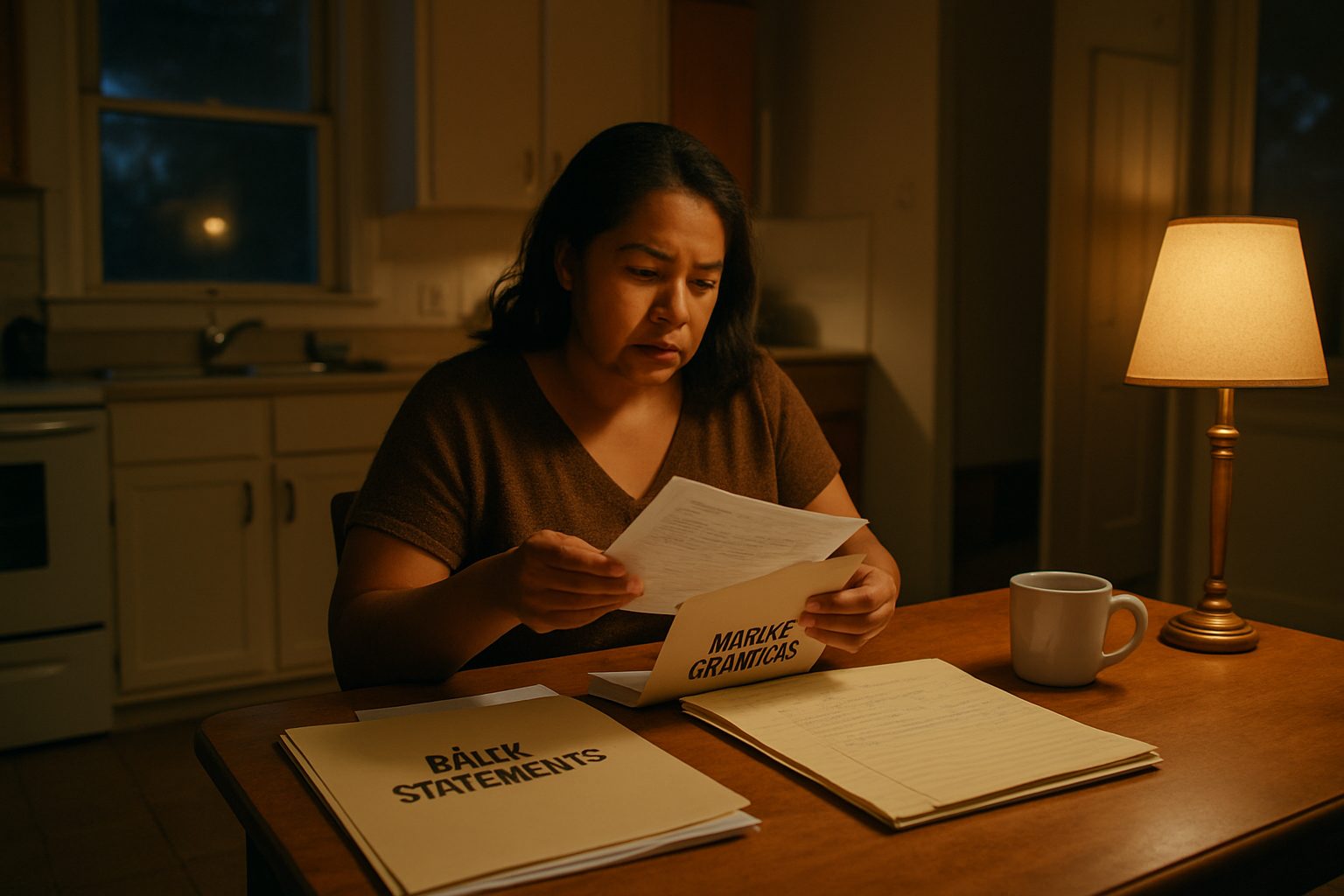
If you have never hired a lawyer before, walking into your first consultation can feel overwhelming — especially when you are already dealing with the stress of a divorce, custody dispute, or separation. This guide is written for people in Charlotte and Huntersville, NC who want to make the most of that first meeting with a family law attorney. Knowing what to bring means your attorney can give you clearer, more useful guidance from the very first conversation.
This content is for informational purposes only and does not constitute legal advice. Laws and outcomes vary — always consult a licensed North Carolina attorney about your specific situation.
Why Your First Consultation Matters So Much
Your first meeting with a family law attorney is not just an introduction — it is a working session. The more organized and prepared you arrive, the more ground you and your attorney can cover. In North Carolina, family law matters such as divorce, child custody, and equitable distribution are governed by specific statutes under Chapter 50 of the North Carolina General Statutes. The details of your situation — your assets, your children’s living arrangements, the length of your marriage — all shape how those laws apply to you.
Coming prepared also helps your attorney spot deadlines you may not know about. North Carolina has statutes of limitations and procedural timelines that can affect your rights, so acting promptly is important. Do not wait until a court date is looming to seek legal guidance.
Personal Identification and Basic Information
Start with the basics. Bring a government-issued photo ID such as a driver’s license or passport. Your attorney will also need some foundational information about your family situation, so be ready to share:
- Your full legal name and your spouse’s or co-parent’s full legal name
- Current home addresses for both parties
- Date of marriage and, if applicable, date of separation
- Names and dates of birth for any children involved
- Current living arrangements — who is living where, and with whom
In North Carolina, the date of separation carries legal weight in divorce proceedings. Under N.C.G.S. § 50-6, spouses must live separately for at least one year before a divorce can be granted, so knowing and documenting that date matters.
Marriage and Separation Documents
If you have any of the following documents, bring them or bring copies:
- Your marriage certificate
- Any prenuptial or postnuptial agreements
- A separation agreement, if one has already been drafted or signed
- Any prior court orders related to your marriage, custody, or support
- Divorce or custody paperwork already filed, if any
If you do not have these documents yet, do not let that stop you from scheduling your consultation. Your attorney can help you identify what to gather and how to obtain certified copies through the Mecklenburg County Register of Deeds or the Clerk of Superior Court.
Financial Records and Asset Information
Family law cases in North Carolina — particularly divorce — often hinge on finances. North Carolina is an equitable distribution state, meaning marital property is divided fairly, though not necessarily equally, under N.C.G.S. § 50-20. To help your attorney understand your financial picture, bring what you have access to:
- Recent pay stubs or proof of income for both you and your spouse, if available
- Most recent federal and state tax returns (at least the past two years)
- Bank account statements for joint and individual accounts
- Mortgage statements or lease agreements for any real property
- Retirement account statements (401(k), IRA, pension)
- Vehicle titles or loan statements
- Credit card and loan statements showing outstanding debts
- Any business ownership documents, if either spouse owns a business
You do not need every document to be perfectly organized. Even rough notes about what assets and debts exist give your attorney a starting point.
Child Custody and Parenting Information
If children are involved, custody and visitation will likely be a central part of your case. North Carolina courts make custody decisions based on the best interests of the child under N.C.G.S. § 50-13.2. To help your attorney understand your situation, bring or be ready to discuss:
- Current custody or visitation arrangements, even informal ones
- Your children’s school names, grade levels, and any special needs or medical conditions
- Any existing custody orders from a North Carolina court
- Documentation of any concerns about the other parent’s behavior, such as police reports or medical records, if relevant
- Your proposed parenting schedule, if you have thought one through
If there are safety concerns — domestic violence, substance abuse, or neglect — tell your attorney right away. This affects the legal strategy and may require immediate protective steps through the Mecklenburg County District Court.
A Written Summary of Your Situation
Consultations move quickly. One of the most helpful things you can do is write a one-page summary of your situation before you arrive. Include:
- A brief timeline of key events (marriage, separation, any court filings)
- The main issues you need help with (divorce, custody, support, property division)
- Your most pressing concerns or questions
- Any deadlines you are aware of
This summary helps your attorney quickly understand the big picture and spend more of your time together on strategy rather than background gathering.
Questions to Ask Your Attorney
Your first meeting is also your chance to evaluate whether this attorney is the right fit for you. Consider asking:
- How does North Carolina law apply to my specific situation?
- What are the likely next steps and timeline?
- Are there any deadlines I need to be aware of right now?
- How will you communicate with me throughout the case?
- What information do you still need from me?
There are no wrong questions. A good family law attorney will welcome them and give you honest, straightforward answers — even when those answers are complicated.
What to Expect After the Consultation
After your first meeting, your attorney will likely outline a recommended course of action. Depending on your situation, that might mean filing for divorce in Mecklenburg County District Court, pursuing a custody agreement, negotiating a separation agreement, or taking steps to protect your financial interests. Your attorney will explain your rights under North Carolina law and help you understand what to expect at each stage.
Remember: results vary depending on the specific facts of your case. No attorney can promise a particular outcome, and anyone who does should raise a red flag. What a skilled family law attorney can do is work diligently to protect your rights and advocate for your interests throughout the process.
Ready to Meet With a Family Law Attorney in Charlotte?
My Demo Law Firm serves clients throughout North Carolina, including Charlotte and Huntersville. If you are facing a divorce, custody matter, or other family law issue, do not wait — North Carolina’s procedural timelines mean that acting early can make a real difference in your case.
Call us at (555) 555-0100 or visit mydemolawfirm.com to schedule your consultation. Come prepared, come with your questions, and let us help you understand where you stand under North Carolina law.
This article is for informational purposes only and does not create an attorney-client relationship. Client rights and outcomes vary depending on individual case circumstances. Always consult a licensed North Carolina attorney for advice specific to your situation. My Demo Law Firm is a demo site only and is not a real law firm.